Saving Sea Turtles: A Visit to the Kosgoda Turtle Hatchery

Nethumi Perera
Travel Writer
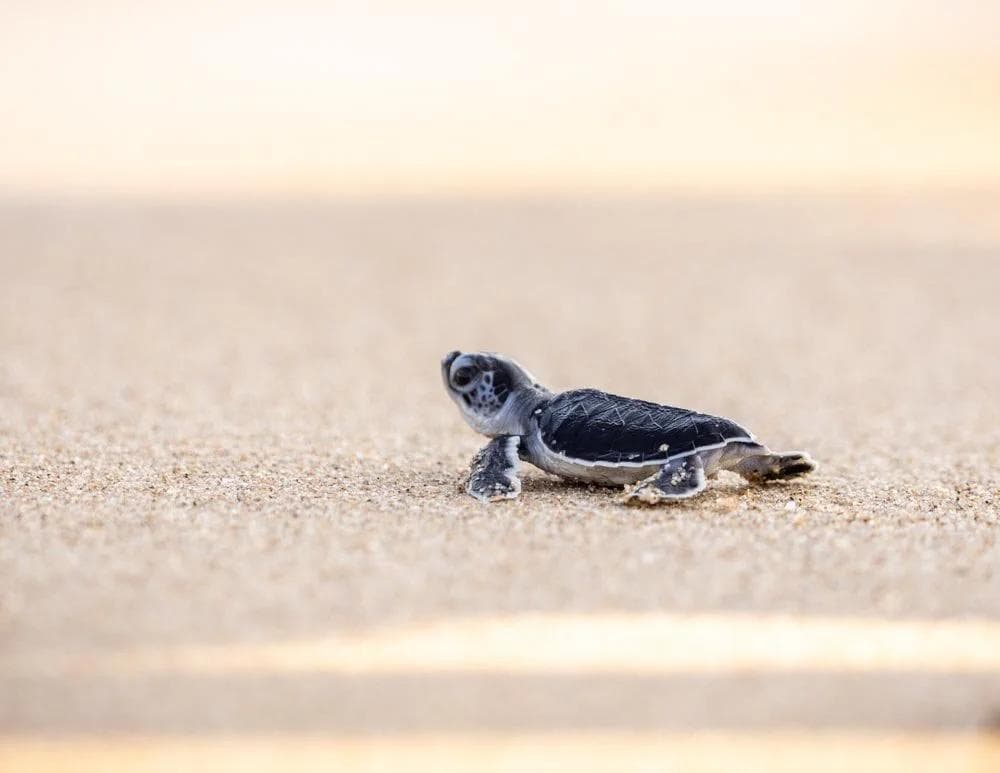
Sri Lanka is one of the few places on Earth where 5 out of the 7 species of sea turtles come to nest. For millions of years, these gentle giants have navigated the oceans to return to the exact same beach where they were born to lay their eggs. But today, they face huge threats: plastic pollution, fishing nets, and poachers who steal their eggs to sell at markets. Just a short 15-minute drive from Bentota, the village of Kosgoda is fighting back. The Turtle Conservation Projects here are dedicated to protecting these eggs until they hatch. Visiting a hatchery isn't just a fun "zoo" trip; it is an educational experience that directly supports the survival of a species. Here is what you can expect when you visit.
The Sand Banks: Where Life Begins
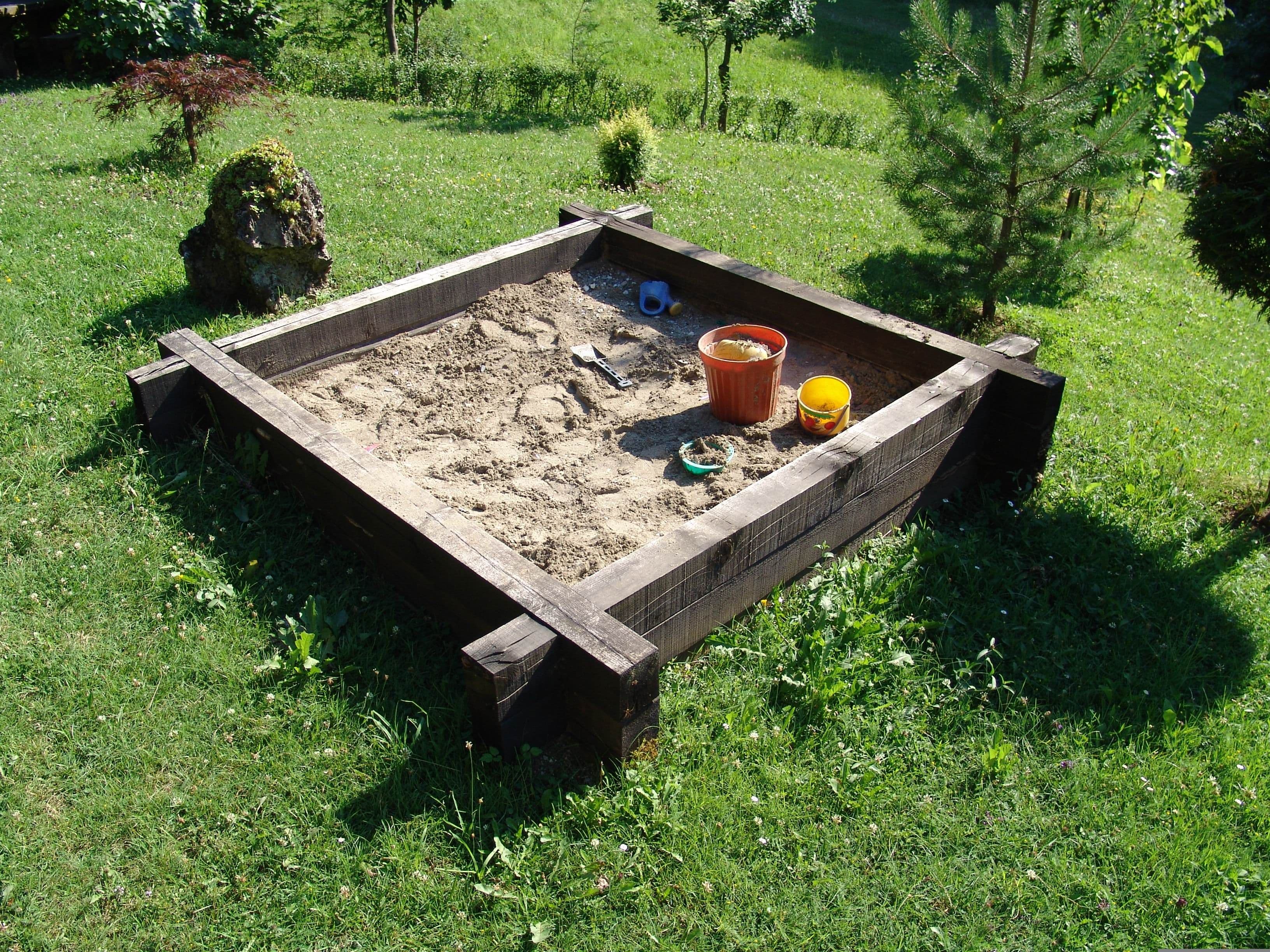
When you enter the hatchery, the first thing you notice is a large area of sand, fenced off and dotted with little wooden signs. These are the "Safe Zones." Volunteers patrol the beach at night to find mother turtles laying eggs. Because poachers and stray dogs often destroy the nests, the volunteers carefully dig up the eggs and re-bury them inside the safety of the hatchery walls. Each sign tells a story. It lists the Species (e.g., Green Turtle), the Number of Eggs, and the Date Laid. It’s a waiting game usually taking 45 to 60 days for the magic to happen.
The Rehabilitation Tanks: Care for the Injured
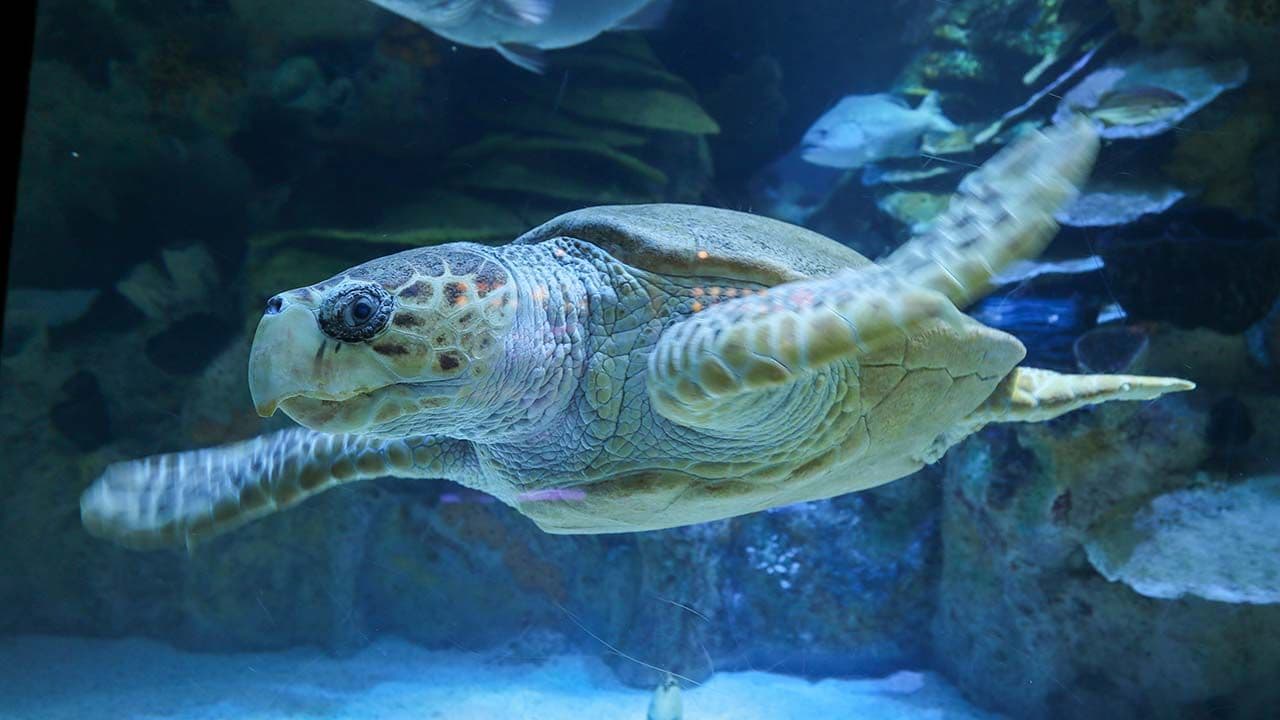
Sadly, not all turtles in the center are babies. The Kosgoda projects also serve as "Turtle Hospitals." You will see large tanks holding adult turtles. Many of them are victims of fishing nets ("Ghost Nets") and have lost a flipper, making it impossible for them to survive in the wild. The hatchery gives them a permanent home where they are fed and cared for. You might also spot the rare Albino Turtles. These white turtles are beautiful, but they lack camouflage. In the ocean, they would be eaten immediately by predators. The hatchery keeps them safe, and seeing one up close is a rare privilege.
The Highlight: Releasing the Babies
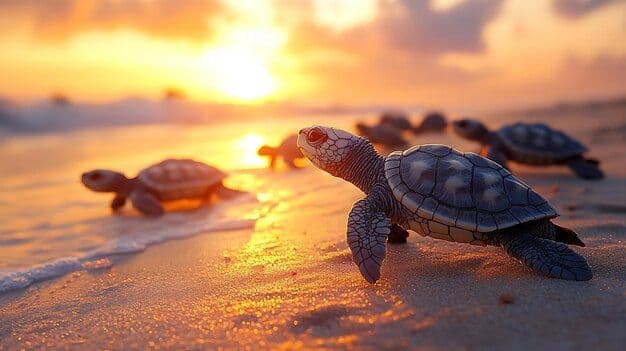
This is the moment everyone waits for. When the eggs hatch, the babies (hatchlings) are kept in tanks for a few days to let their shells harden and their navels close. Once they are strong enough, they are ready for the ocean. Most hatcheries allow tourists to participate in the release. This usually happens at sunset (around 6:00 PM) because the darkness protects the babies from seagulls and crows. Holding a tiny, energetic turtle in your hand and watching it scramble into the massive waves of the Indian Ocean is an emotional experience. You are literally giving them a fighting chance at life. Note: Always follow the guide's instructions. Do not use flash photography (it blinds the turtles), and handle them gently.
Practical Info for Visitors
- Location: Kosgoda (approx. 10–15 km south of Bentota).
- Best Time to Visit: The hatcheries are open all day, but go around 5:30 PM if you want to see the release.
- Ticket Price: Fees usually range from LKR 1,000 – LKR 2,000 ($3–$6). This money goes directly to buying eggs from poachers (to save them) and feeding the turtles.
Ethical Tourism
A trip to the turtle hatchery is the perfect afternoon activity. It’s calm, inspiring, and family-friendly. Plus, the drive along the Galle Road from Bentota offers stunning coastal views. [Link: Book a Tuk-Tuk to Kosgoda]
Enjoyed this story? Share it
About the Author
Nethumi Perera
A passionate coastal explorer and travel storyteller dedicated to uncovering the tropical secrets, tranquil mangrove forests, golden sun-drenched beaches, and the rich architectural heritage of Bentota — the premier coastal escape of Sri Lanka's southern coast.