Panchakarma 101: What to Expect During Your Detox in Bentota

Lily Anderson
Travel Writer
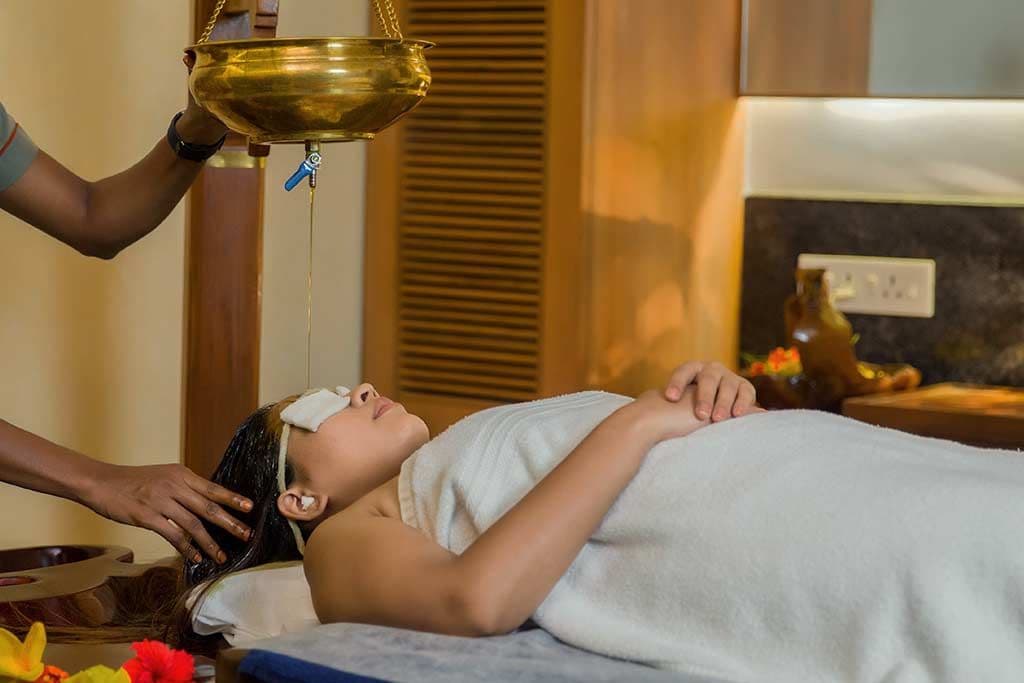
You’ve heard the word whispered in yoga studios and travel blogs: Panchakarma. It sounds mysterious, ancient, and maybe a little intense. Is it just a week of massages? Is it a strict diet? Will I be hungry? If you are planning a trip to Bentota for wellness, you need to know exactly what you are signing up for. Panchakarma is not a "spa holiday" it is a medical system designed to reboot your body from the inside out. At authentic centers in Bentota, this isn't about incense and Enya music; it’s about science. Here is your transparent, no-nonsense guide to what really happens during a Panchakarma detox in Sri Lanka.
Phase 1: The Consultation (Pulse Diagnosis)
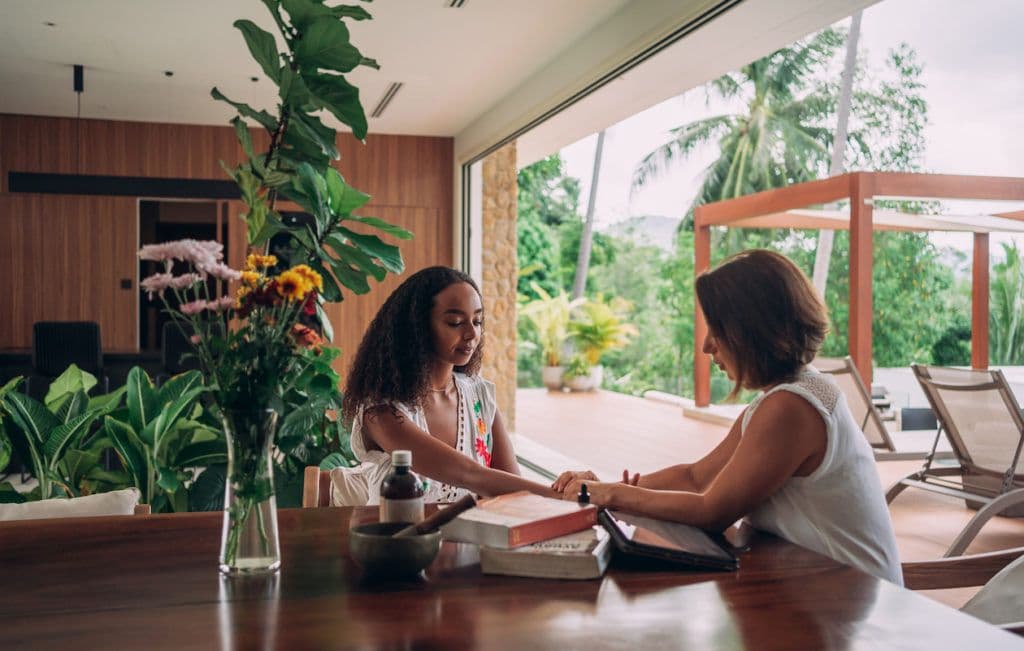
Your journey doesn't start with oil; it starts with a conversation. On day one, you will sit down with an Ayurvedic doctor. They won't just ask "where does it hurt?" They will perform Nadi Pariksha (Pulse Diagnosis). By touching your wrist, they can tell if your body is acidic, if you aren't sleeping well, or if you are stressed. They will determine your Dosha (Body Type):
- Vata: (Air) prone to anxiety and dry skin.
- Pitta: (Fire) prone to acidity and anger.
- Kapha: (Earth) prone to weight gain and lethargy. Pro Tip: Be honest with the doctor. If you love coffee or hate waking up early, tell them! They tailor the program to you.
Phase 2: Purvakarma (Preparing the Body)
You can't scrub a dirty pan without soaking it first. The same applies to your body. Before the deep detox begins, your toxins need to be "loosened." For the first few days, you will experience Snehana (Oleation) and Swedana (Sweating).
Internal Oleation: You might be asked to drink small amounts of medicated Ghee (clarified butter) in the morning. It acts like a magnet, pulling toxins out of your cells.
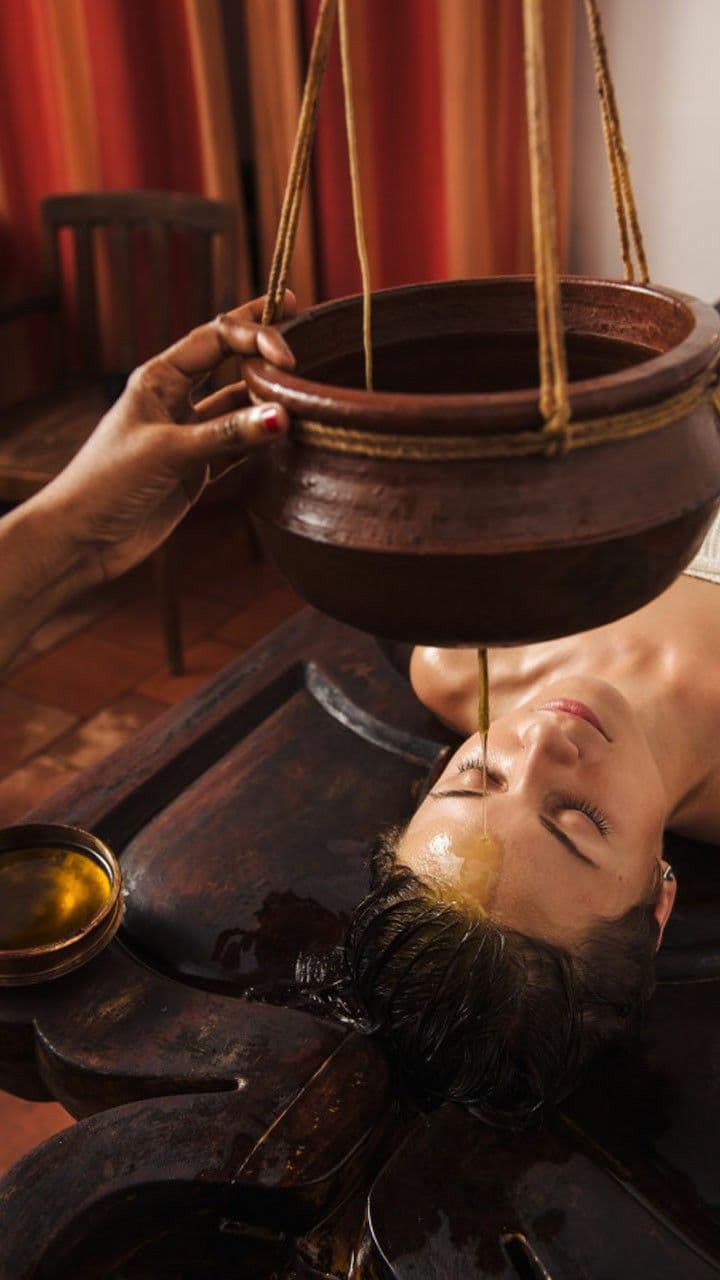
External Oleation: This is the best part daily full-body massages with warm herbal oil.
Sweating: You will sit in a wooden steam box filled with herbal steam (made from leaves boiled in Bentota’s fresh water). This opens your pores and melts the toxins.
Phase 3: The "Five Actions" (The Main Event)
This is where the magic happens. Pancha means Five, and Karma means Actions. Depending on your body type, the doctor will choose one or two of these methods (you rarely do all five!).
Virechana (Purgation): The most common treatment. You take a herbal medicine that cleans out your stomach and intestines completely. It feels like a total reset for your gut.
Nasya (Nasal Cleaning): Medicated oil is gently poured into the nostrils to clear sinuses and migraines.
Vamana (Therapeutic Vomiting): Rarely done for tourists, but used for severe lung congestion.
Basti (Enema): Herbal oils are introduced to the colon. It sounds scary, but it is gentle and incredible for back pain.
Raktamokshana (Bloodletting): Using leeches to clean the blood. This is very traditional and only for specific skin diseases.
Phase 4: The Diet (Food as Medicine)
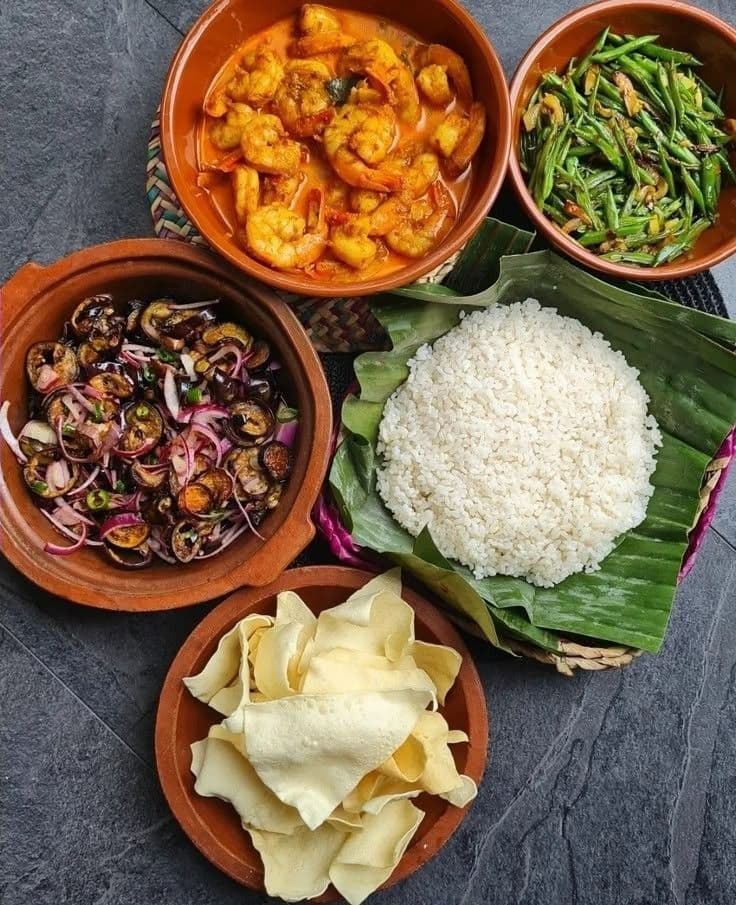
Forget calorie counting. In Bentota, you eat to heal. At a proper Ayurveda retreat, there is no buffet of pizza and fries. You will eat fresh, warm, cooked meals.
- Yes: Red rice, steamed vegetables, lentil soups, fresh papaya, and herbal tea.
- No: Ice water, alcohol, heavy meats, and raw salads (which are hard to digest). You might think you’ll be hungry, but the food is nutrient dense. Most guests say they feel lighter and more energetic by Day 3, even without their morning coffee.
Phase 5: Paschatkarma (Rejuvenation)
After the detox, you are like a newborn baby clean but sensitive. You shouldn't immediately go jet-skiing or eat a spicy burger. The final days are for Rasayana (Rejuvenation). You will have flower baths, milder massages, and take herbal tonics to rebuild your immunity. This is why Bentota is perfect you can spend these final days just watching the river, reading a book, and letting your body stabilize.
Why Choose Bentota for This?
You could do Panchakarma in a city hospital, but healing requires a stress-free environment.
- The Air: Bentota’s mix of river and sea air is rich in oxygen.
- The Pace: Life here is slow. There is no traffic noise to disturb your post-massage nap.
- The Support: The centers here have been guiding Westerners through this process for decades. They know how to make you comfortable when you are feeling vulnerable during a detox.
Ready to hit the reset button? Panchakarma isn't always easy, but the glow you feel afterwards is worth every moment.
Enjoyed this story? Share it
About the Author
Lily Anderson
A passionate coastal explorer and travel storyteller dedicated to uncovering the tropical secrets, tranquil mangrove forests, golden sun-drenched beaches, and the rich architectural heritage of Bentota — the premier coastal escape of Sri Lanka's southern coast.